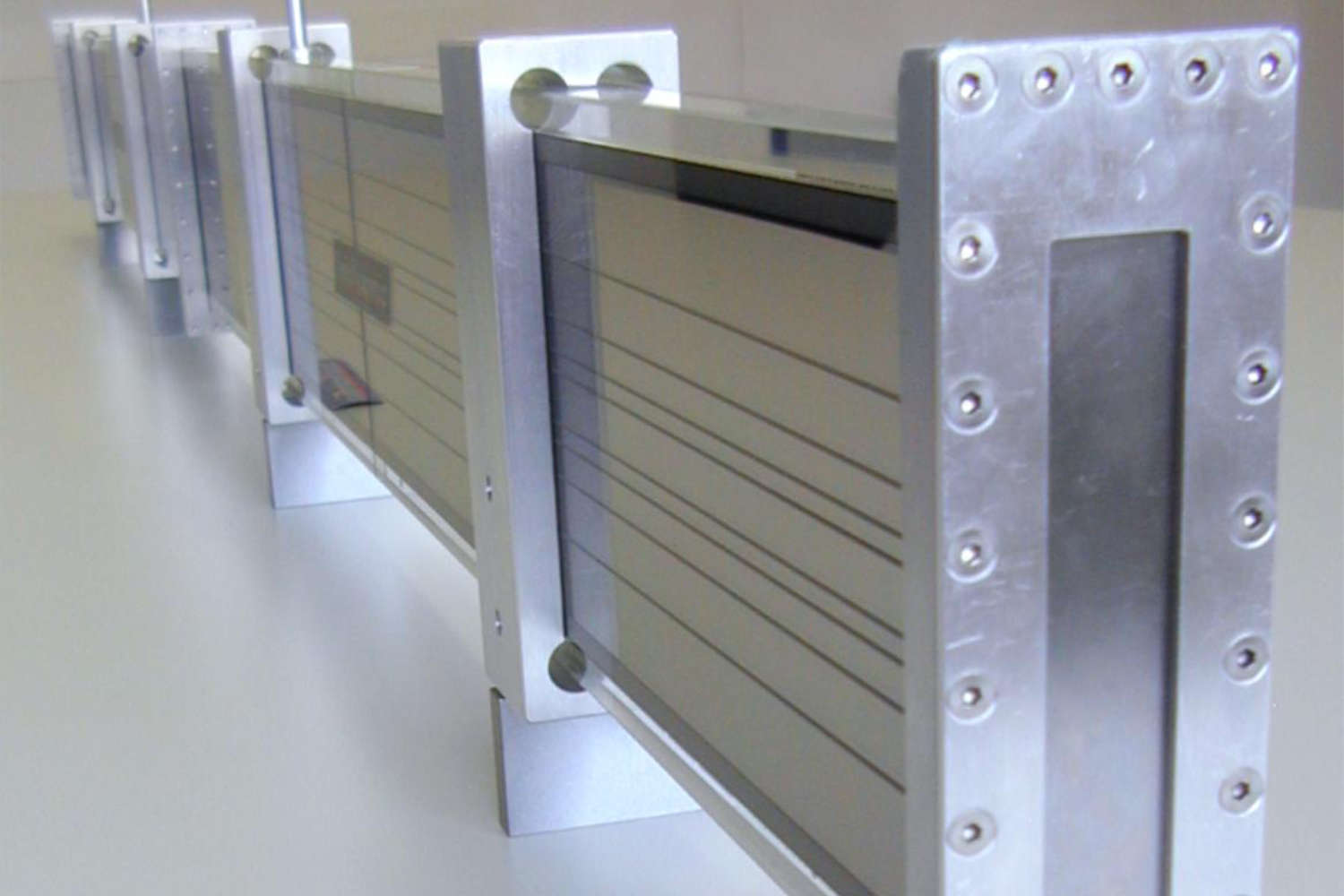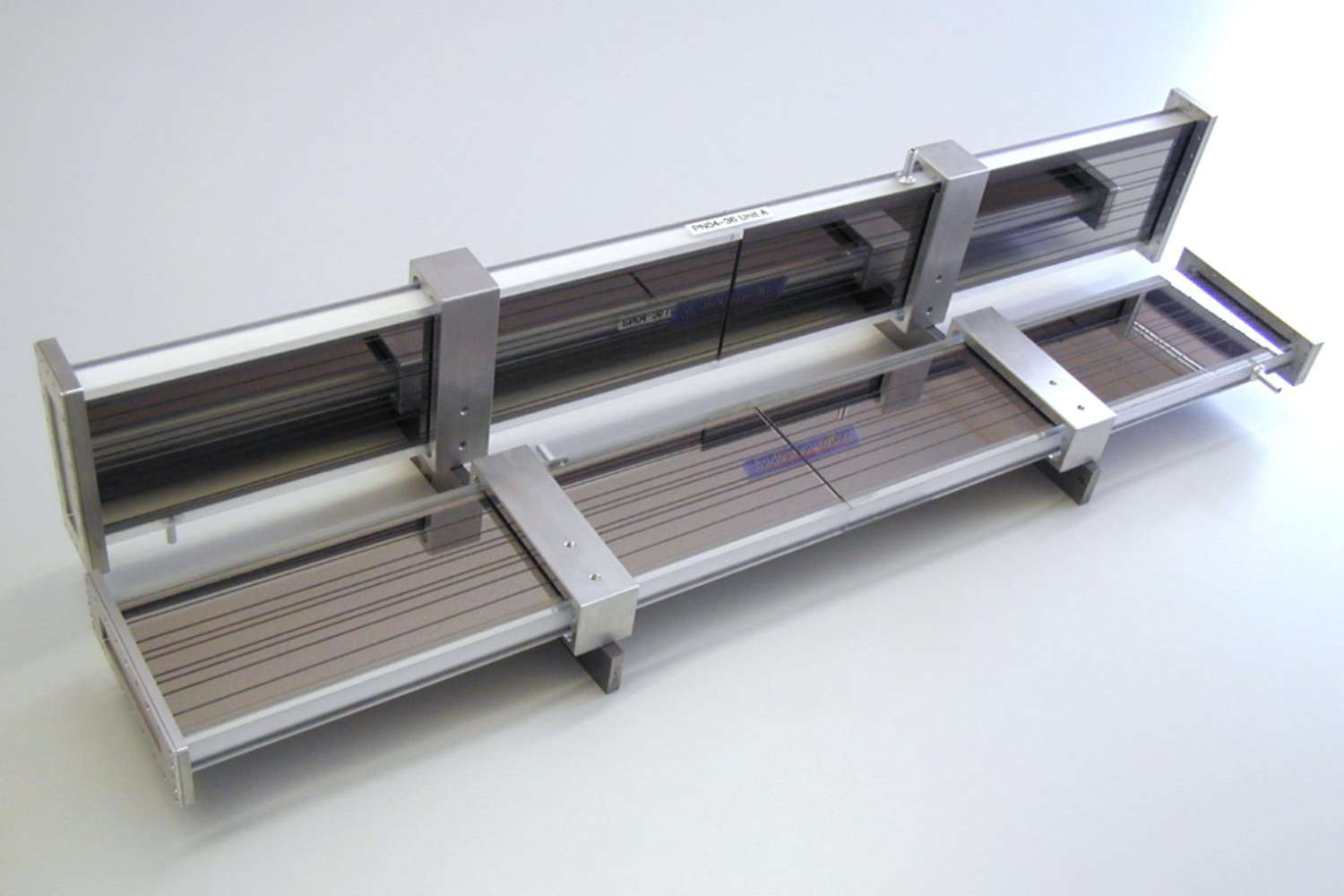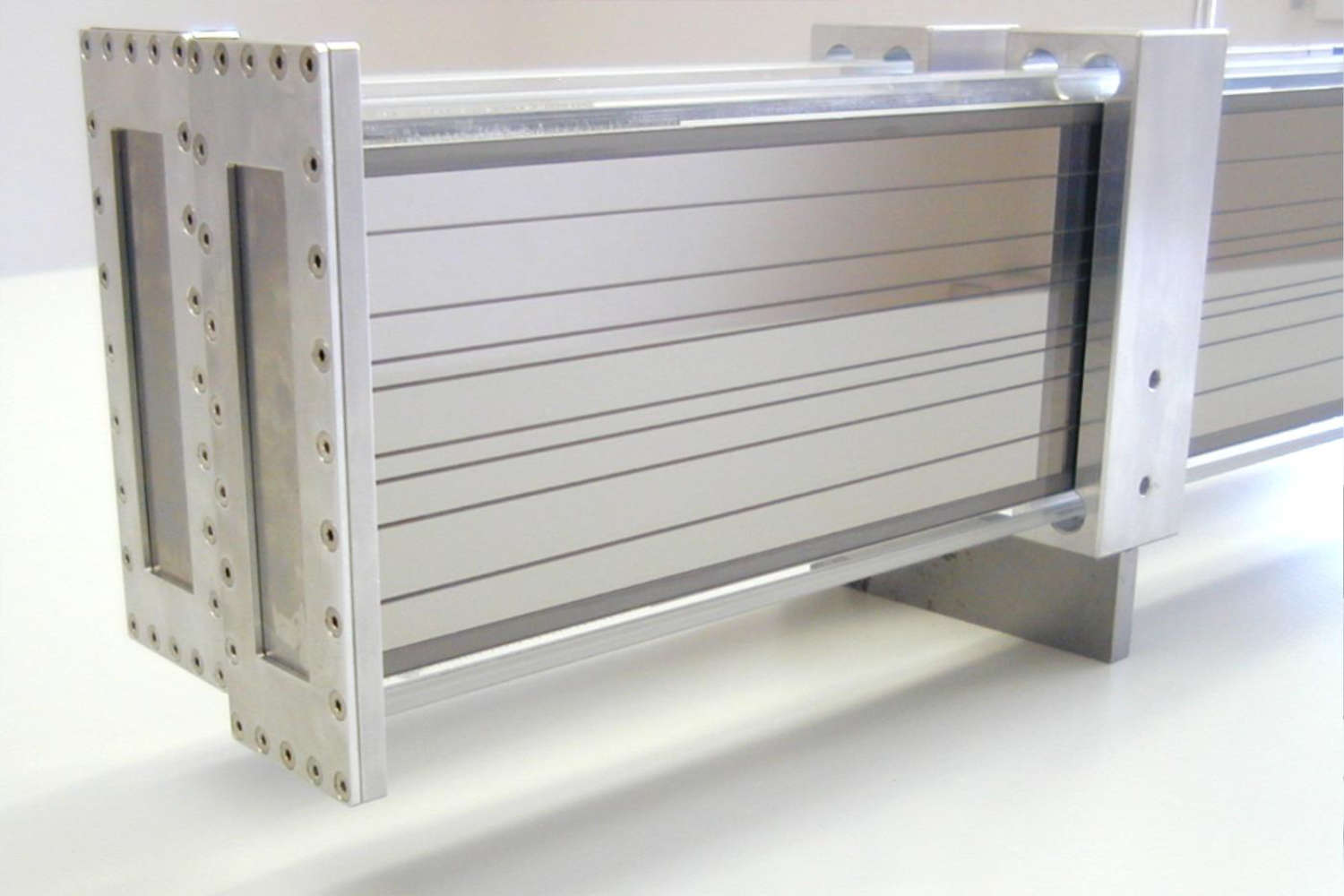

SwissNeutronics’ flight tubes compress neutron beams to match sample size, enhancing flux and reducing background scattering. They feature customizable geometries, supermirror coatings (up to m = 8), and support 1D or 2D focusing. Designed for high vacuum, they integrate seamlessly with sample environments and offer precise alignment and modular flexibility.
Flight tubes are essential components in neutron optics, typically mounted at the end of a neutron guide or integrated into experimental setups. Their main function is to compress the neutron beam to match the sample size, thereby increasing neutron flux and reducing unwanted scattering from surrounding components. SwissNeutronics offers fully customizable flight tube optics tailored to specific experimental needs, including seamless integration with sample environments such as cryostats, magnets, or pressure cells.
These tubes can be designed with standard parabolic or elliptical profiles, or custom non-linear geometries, featuring true curvature via bent sidewalls for precise beam shaping. Focusing options include 1d (horizontal or vertical) or full 2d focusing. Mirror coatings with supermirror technology support m-values up to m = 8, suitable for neutron wavelengths down to 0.5 Å and capable of delivering large angular divergence for high-intensity applications.
Mechanically, flight tubes are available in lengths from 0.5 to 2.0 meters, with customizable cross-sections ranging from 5×5 mm² to over 50×50 mm². Materials include float glass, Borofloat, N-BK7, silicon, aluminum, and copper, all compatible with high vacuum conditions (≤10⁻⁶ mbar). Mounting interfaces support standard neutron guide alignment frames and kinematic mounts, with alignment tolerances better than 0.1 mm and angular precision below 0.01°.
Technical highlights
- Optical Profiles and Geometry
– parabolic and elliptical tapering
– arbitrary non-linear shapes
– 1d or 2d focusing
– true curvature (bent sidewalls) for precise beam shaping - Supermirror Coatings:
m-values up to m = 8 - Beam Characteristics:
– wavelengths down to 0.5 Å
– large divergence for high-intensity applications - Mechanical and Material Specifications
– Tube lengths typically 0.5 m to 2.0 m (customizable)
– Entrance and exit apertures ranging from 5 mm × 5 mm to 50 mm × 50 mm (and beyond this)
– Subtrate meterials: float glass, Borofloat, N-BK7, Si, alumium, copper

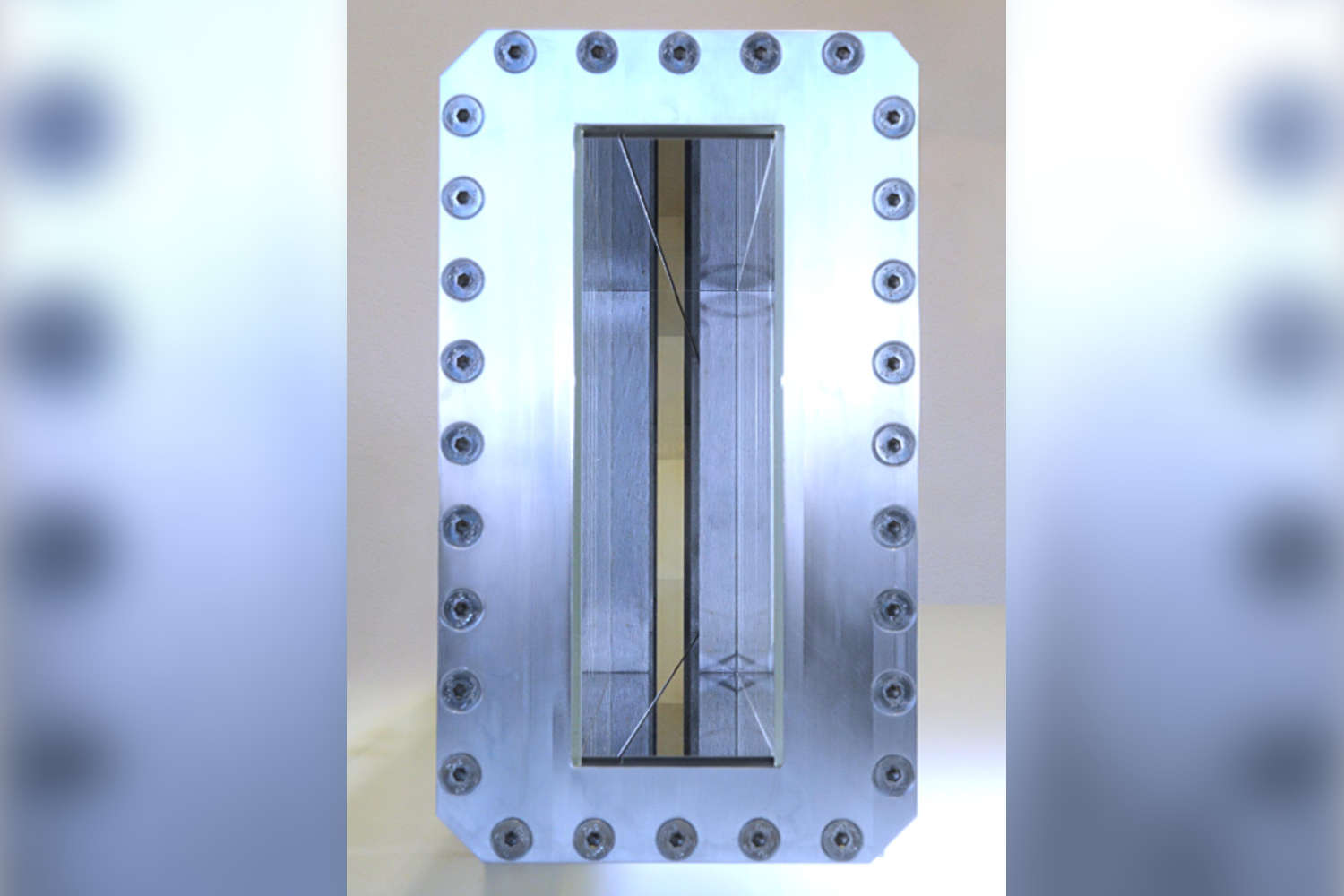
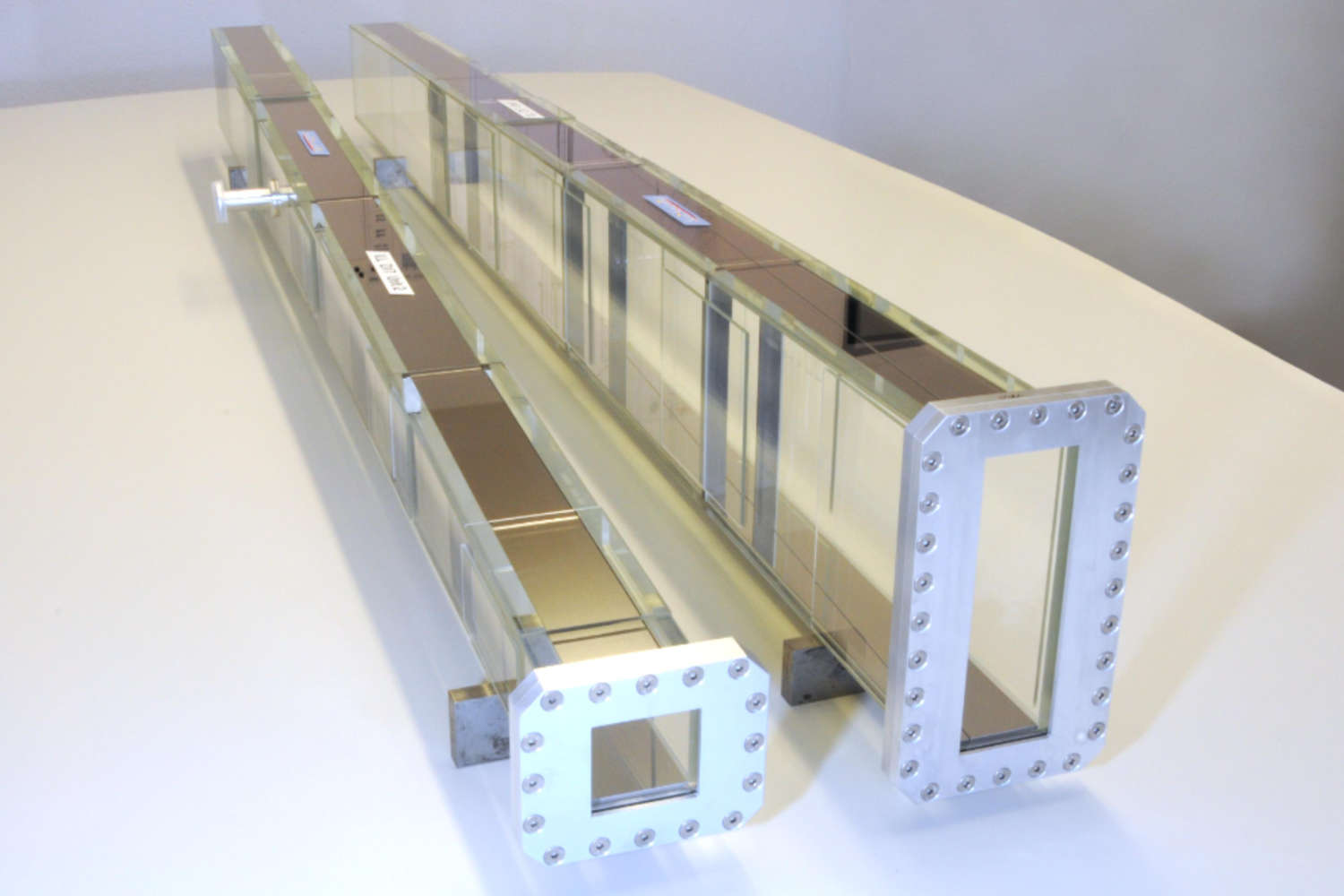
D17 @ ILL
Vertical focusing with parabolic profile
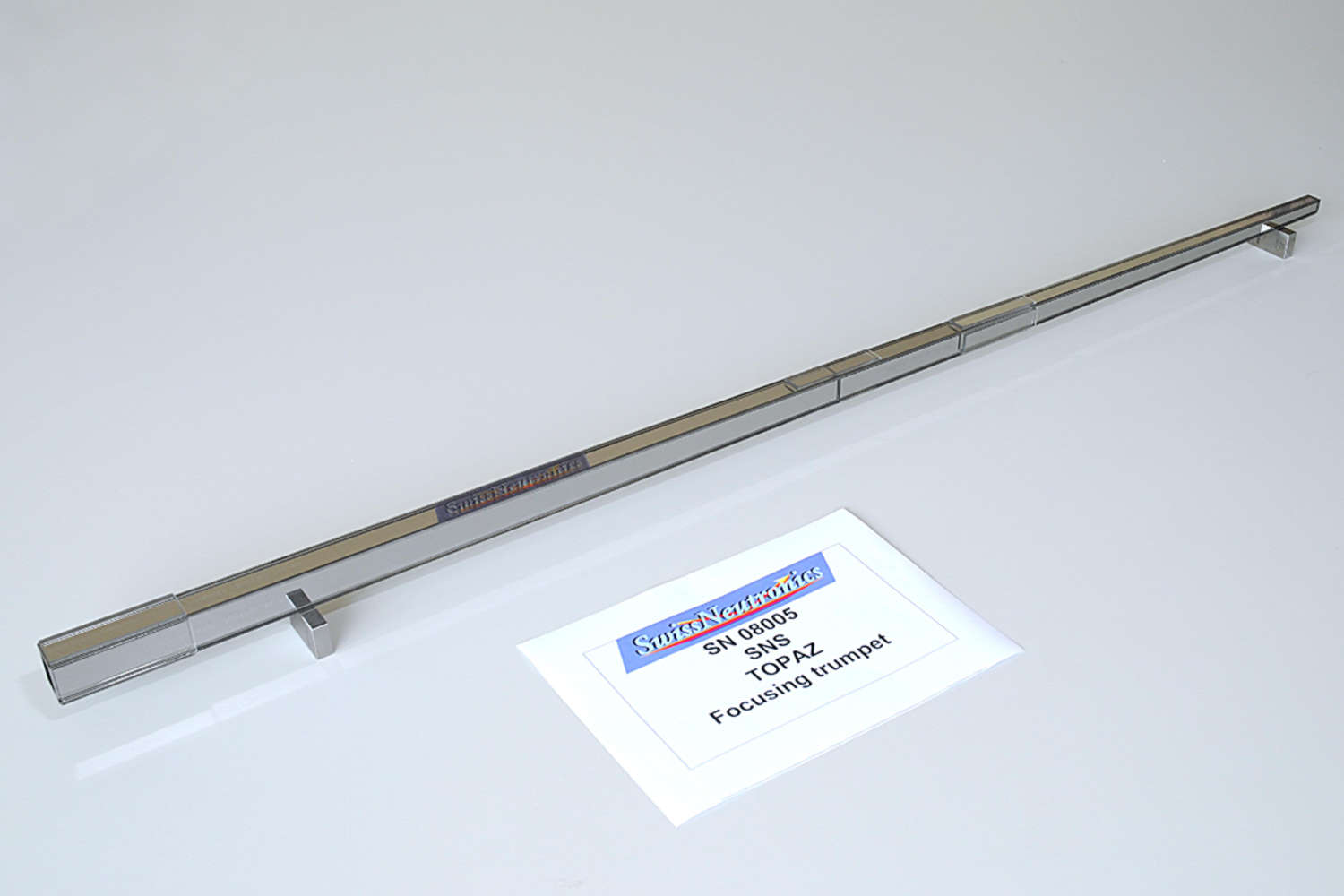
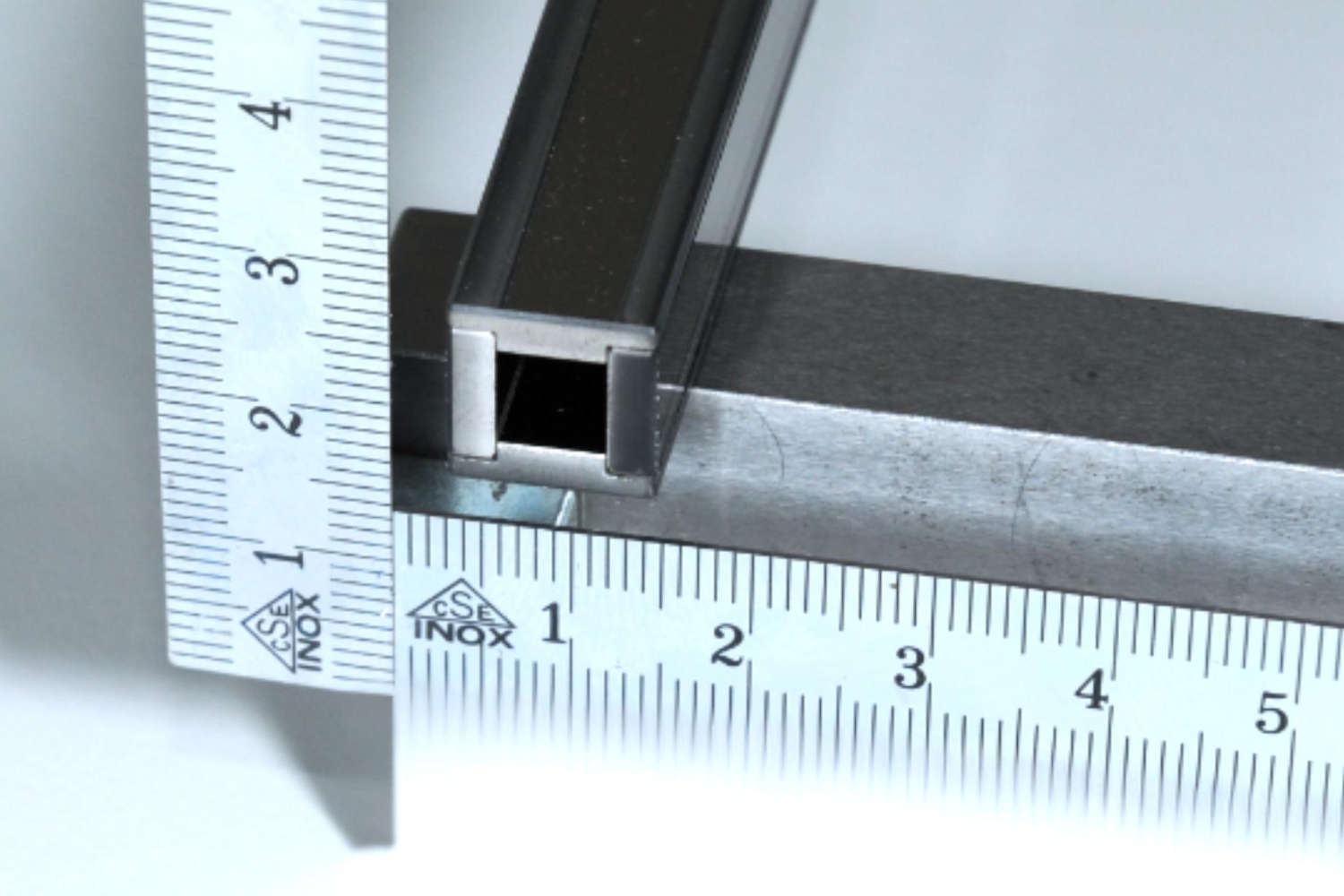
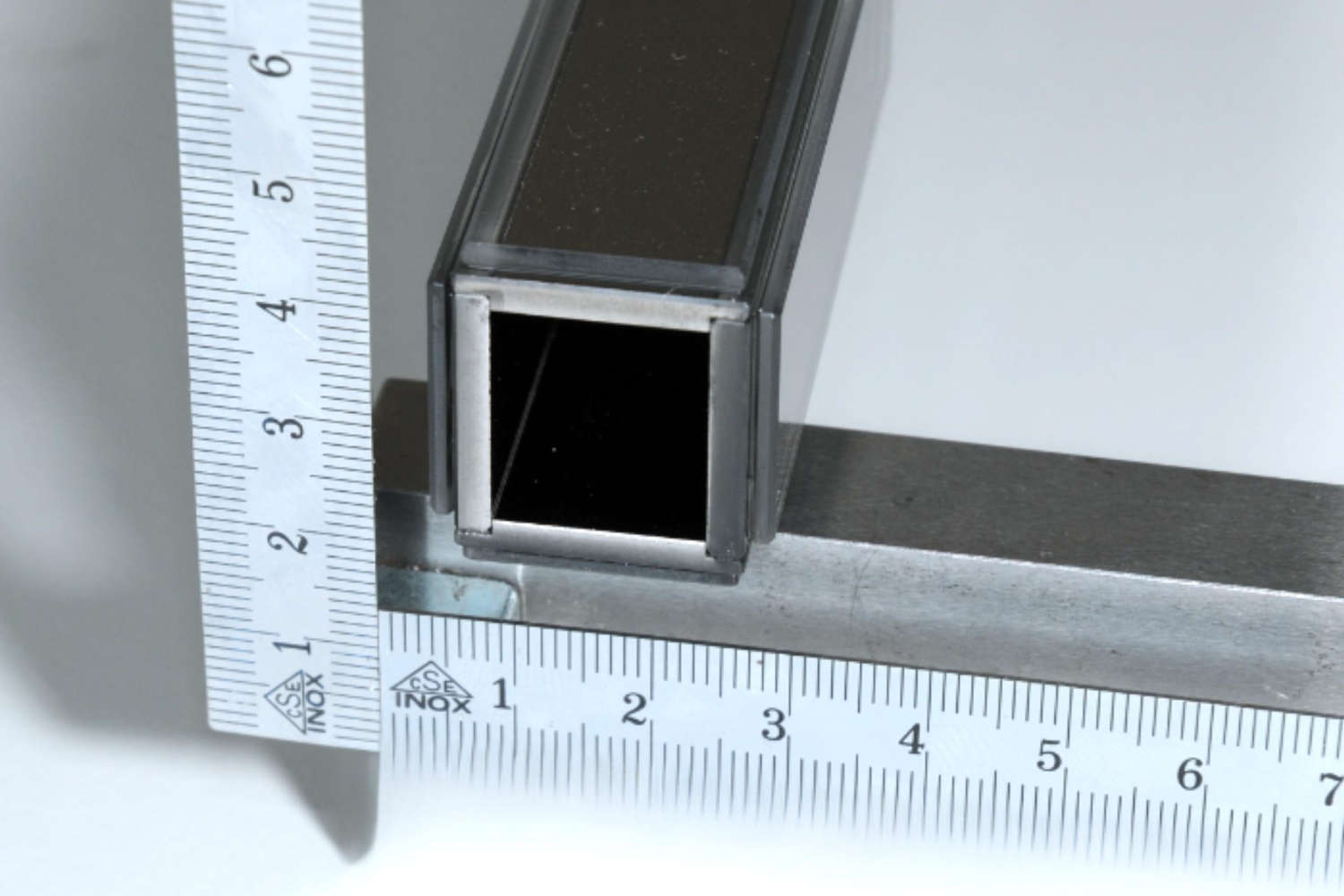
TOPAZ @ SNS
2d focusing flight tube